AI is splitting into two very different experiences. One group is using advanced models to run long research projects, build software, and automate multi-step work. Another group is using the same category of technology as a faster search box or occasional writing helper.
Both uses can be worthwhile. But the distance between them is growing, and that distance matters more than which company wins this week’s model race.
What Happened
Axios reported on July 10 that a new AI class divide is taking shape in the United States. The divide is not simply between people who have AI and people who do not. It also separates people who know how to turn AI into a repeatable process from people who only encounter it casually.
Pew Research Center’s June survey helps explain the gap. Forty-nine percent of U.S. adults said they use AI chatbots, up from 33 percent in 2024. Yet the most common uses are still basic: 42 percent use chatbots to search for information, and 38 percent of employed adults use them for work tasks. Only 24 percent of adults said they use chatbots daily.
That means access is spreading faster than fluency. Millions of people have opened ChatGPT, Gemini, Copilot, or another tool. Far fewer have built a reliable way to use one for work that repeats every week.
Why This Matters for Everyday Users
If you run a small business, create content, manage a household, or work on a lean team, you do not need elite coding skills to benefit from AI. You do need more than a clever prompt.
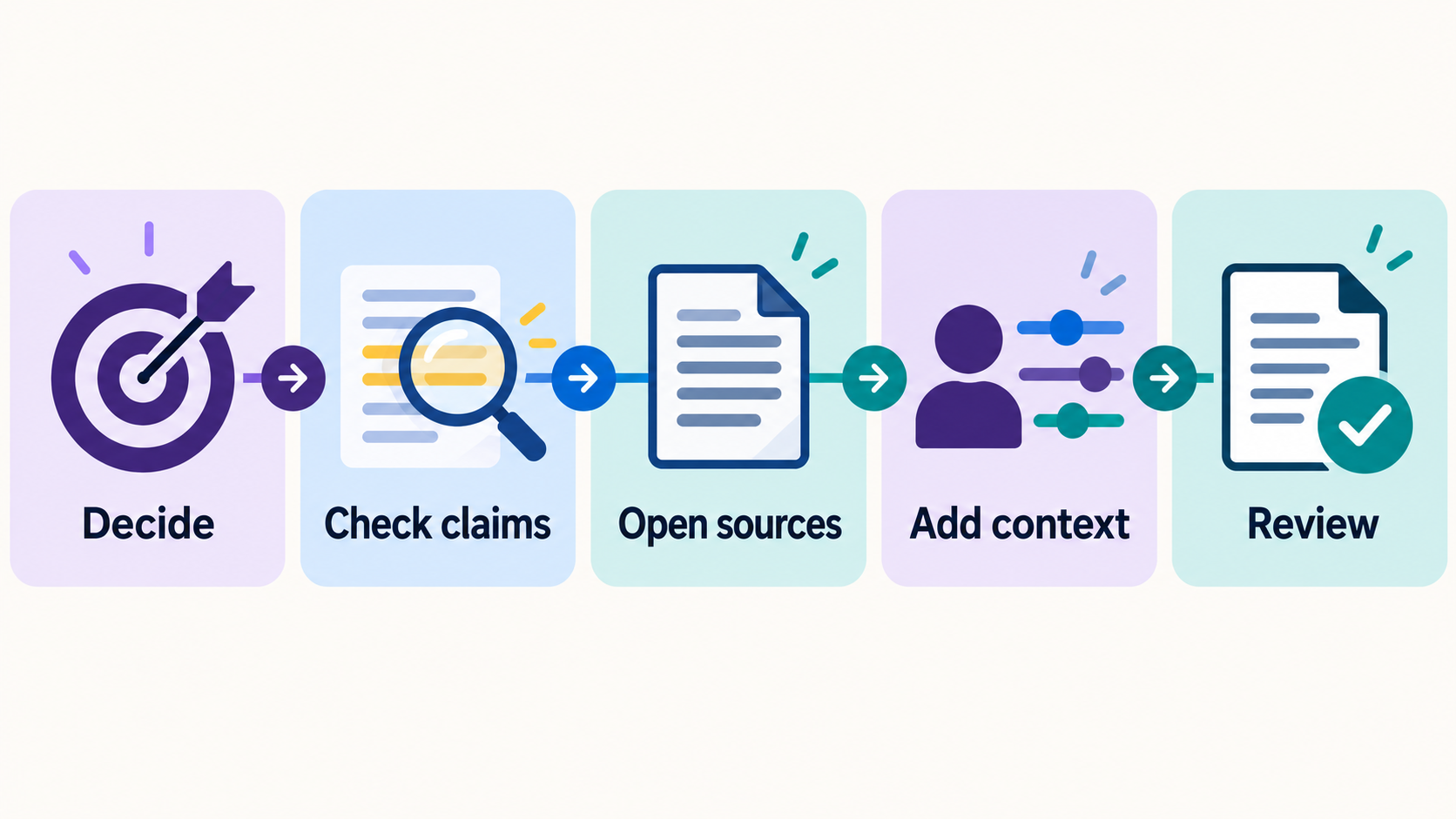
The useful skill is turning a fuzzy task into a clear sequence. You give the tool the right context, ask for a specific output, check the result, and save what worked so you can use it again. That is the difference between getting a decent answer once and reclaiming an hour every week.
This is also why constant product news can be misleading. A person with a familiar, less expensive model and a strong workflow may get more value than someone with the newest model and no process. The advantage comes from knowing where AI fits, where it fails, and when a human needs to take over.
The trust gap is part of the story. Pew found that 63 percent of Americans think AI is advancing too quickly, while only 16 percent expect it to have a positive effect on society over the next 20 years. Those concerns are understandable when people see the disruption but have little chance to practice with the tools on their own terms.
A Better Way to Build AI Skill
Start with one task you already do, not a vague goal to ‘learn AI.’ Choose something that repeats and has a clear finish line. It might be turning meeting notes into action items, drafting a weekly customer email, comparing product descriptions, organizing research, or creating a first-pass content outline.
- Write down the starting material. List the files, notes, examples, rules, or customer details the tool needs. Better context usually matters more than a more elaborate prompt.
- Define the finished result. Name the format, length, audience, and decisions the output should support. ‘Help with marketing’ is vague. ‘Draft three email subject lines for customers who downloaded my free guide’ is usable.
- Build in a check. Decide what must be verified by you. Numbers, dates, links, legal claims, medical advice, prices, and customer-specific facts should never slide through on confidence alone.
- Save the process. Keep the prompt, useful examples, and your review checklist together. The second and third run are where a one-time experiment becomes a workflow.
- Track one result. Measure minutes saved, revisions required, errors caught, or leads generated. If the workflow does not improve something you care about, change it or stop using it.
What to Watch Next
The U.S. Department of Labor published an AI literacy framework with five content areas and seven principles for training programs. The House Committee on Small Business also held a July 14 hearing called ‘AI on Main Street.’ Both are signs that practical AI training is being discussed beyond product launches.
The useful question is not whether more training programs appear. It is whether those programs help people practice on real tasks, judge the output, protect sensitive information, and carry the skill back into their daily work. A short demonstration is not the same as competence.
Also watch access. The strongest tools, longest task limits, and earliest features often sit behind paid plans or restricted previews. Training helps, but it cannot fully close a gap if useful capabilities remain too expensive or unavailable to the people expected to adapt.
The Practical Takeaway
Do not measure your AI progress by how many tools you have tried. Measure it by whether you can complete one real task more reliably than you could a month ago.
Pick one recurring job this week. Run it three times. Keep the version that works, add a review checklist, and write down what still needs your judgment. That small loop will teach you more than another hour of model comparisons.
If you want a daily practice structure, the free 30-Day AI Confidence Builder gives you small tasks to try and review.
Sources
Axios - Haves, have-nots and know-nots: Inside AI’s new class divide
Pew Research Center - Americans and AI 2026: Chatbots, Smart Devices and Views on Impact
U.S. Department of Labor - U.S. Department of Labor releases AI literacy framework